
Sharing is caring!
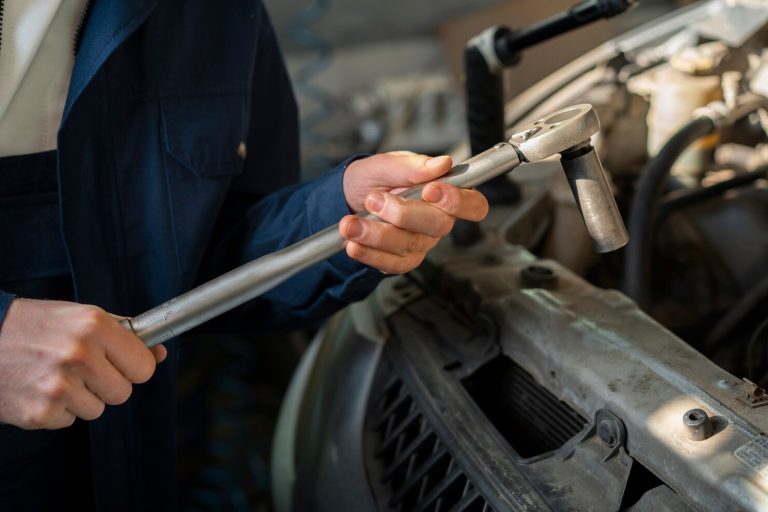
An automobile accident, from a mere dent to a major collision, is a bummer. You’re left with a damaged car and a lingering worry it won’t be the same again. However, once you know what is collision repair, you realize that there’s hope for your ride, after all. Your vehicle can be restored by cutting-edge technology and craftsmanship. Let’s go over the collision repair process.
Phase 1: Damage Assessment and Documentation
Careful damage assessment and documentation is at the foundation of any professional collision repair. This initial phase involves a detailed visual inspection, precise measurements of structural alignment, and advanced diagnostic scans using electronic systems. It’s essential for an accurate estimate and ordering of needed parts.
Phase 2: Insurance Claims and Approval
The insurance claim and approval process is an administrative step toward the relief from financial concern of a person whose vehicle has been damaged. It begins with the shop presenting an estimate of their damage assessment to the insurance company for review and work can start once the claim is approved. With all that, the repair is guaranteed funding and the vehicle can be restored to its original condition.
Phase 3: Parts Ordering and Preparation
After the approval of an insurance claim, the purchase of Original Equipment Manufacturer parts or their quality alternatives as already stated in the report for a vehicle’s repair can commence. Once received, they undergo validation as fit for the vehicle, painted if necessary, and are then set for the repair phase that follows.
Phase 4: Body and Component Repair
It’s at this stage that the repair plan goes into action. Addressing both structural and cosmetic restoration, the technicians use hydraulic rams and computerized measuring to apply controlled force and restore the frame back to factory specifications. Simultaneously, the steering or suspension is serviced or replaced. How long does collision repair take will depend on extent of the damage.
Phase 5: The Art of Refinishing
It’s refinishing that perfectly blends repaired panels with the original finish. The process involves preparation of the surface and treatment of preparatory coating before multiple layers of paint that match the factory color are then put on. Finally, a clear coat is applied and oven-cured to achieve a glossy luster and durable protection.
Phase 6: Reassembly
The meticulous process of bringing the vehicle back to its original shape and operational capability after repairs and painting is what’s called Reassembly. It involves carefully installing all the parts, mechanical and electrical. Each must be aligned to the factory standards for fit and function. This critical phase transforms the damaged vehicle like it just rolled off the factory floor.
Phase 7: The Final Quality Control
At the end of it all, highly-trained technicians conduct a multi-point examination. They confirm that component operations and electrical systems meet factory specifications. Lastly, a road test assesses vehicle dynamics, noise, and visual standards to guarantee customer satisfaction.
The Second Debut
The modern restoration process of a damaged vehicle aims to bring it back to being as safe and attractive as the day it was made. Knowing what is collision repair will definitely make you feel more at ease. The first step is to leave it in the hands of experts with advanced tools to repair and restore. Visit Justice Automotive & Collision Centers or call 630-514-8480 for help.
