
Sharing is caring!
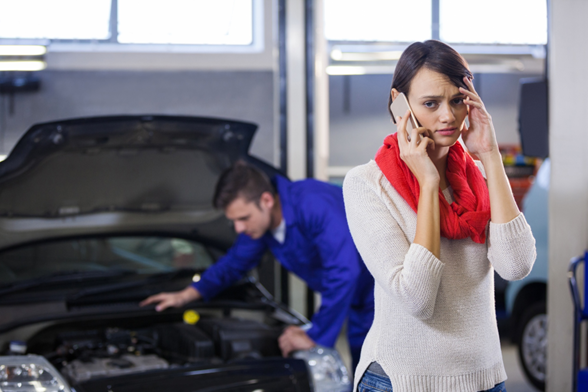
Harm to a vehicle in an accident can range from minor scratches or dents to serious structural deformation. Some issues may be purely cosmetic, while others can significantly affect the vehicle's drivability. After a mishap, the vehicle needs to undergo the right autobody restoration. These are the common major types of collision damage and the methods professionals use to repair them.
1. Front-End Collision Damage
Such damage usually affects the bumper, grille, hood, headlights, and radiator support, or some of them. Slow impacts could affect lighting assemblies, misaligned panels, and cracked plastic covers. Beneath, bent frame rails or a broken cooling system might occur.
- What Pros Do: Experts conduct a comprehensive mechanical and structural examination. They straighten frames on hydraulic benches, remove broken parts, and replace them with OEM or aftermarket substitutes. Next would be paint matching. Lastly, alignment inspections and road tests will have to be conducted.
2. Rear-End Collision Damage
Tailgating from behind and an abrupt stop of the vehicle in front often result in damage to bumpers, trunks, taillights, and the exhaust systems. Harder hits can harm quarter panels, floor pans, or fuel system components. Low-speed crashes can cause plastic coverings to fracture or panels to misalign.
- What Pros Do: Bumpers and trim are removed, broken panels are restored by welding, and bent frames are pulled. Sensors, taillight housings, and trunk locks are changed. Finally, technicians inspect alignment and the electrical system.
3. Side-Impact Damage
Sometimes referred to as a T-bone crash, this type of collision affects the doors, rocker panels, B-pillars, and floor. The center portion may be misaligned, and the side windows may be crushed. Other damages may be warped seat mounts and the fuel or brake lines going through the floor channel. The airbag sensor might be affected, too.
- What Pros Do: Professional collision repair requires the car to be fastened to a multi-axis pull rack. They then remove broken doors, take out crushed interior panels, and weld in reinforcements. New side curtains, airbags, and door skins are installed. Lastly, the windows and locks are aligned.
4. Structural Damage
The force of a crash can bend or fracture a vehicle's frame, subframe, or unibody rails. Crumpled front rails, twisted rear parts, or sagging roofs from rollovers are common in collisions. The aftermath could result in poor alignment, uneven tire wear, and reduced crash protection in subsequent hits.
- What Pros Do: To map differences from factory specs, the car is connected to a computerized measurement device. With the use of anchoring clamps and hydraulic pulling towers, bent parts are pulled back into the right position. Sections that are too badly damaged are cut out and replaced with precisely welded OEM pieces.
5. Suspension and Alignment Damages
Curb strikes, pothole impacts, and collisions that bend control arms, tie rods, or struts can cause this type of damage. Typical signs of this condition are vehicle pulling to one side, uneven tire wear, and off-center steering.
- What Pros Do: Experts examine every suspension component and look for shredded bushings or bent pieces. OEM or approved parts are used to replace damaged control arms, links, or knuckles. They modify camber, caster, and toe to manufacturer standards with a computerized alignment rack.
The Final Word
We just itemized for you the different serious types of collision damage, omitting fender benders and other minor harms. Expert repair methods have been developed to address major issues. In case you need help from such a repair facility, call Justice Automotive & Collision Centers at 630-514-9480.
