
Sharing is caring!
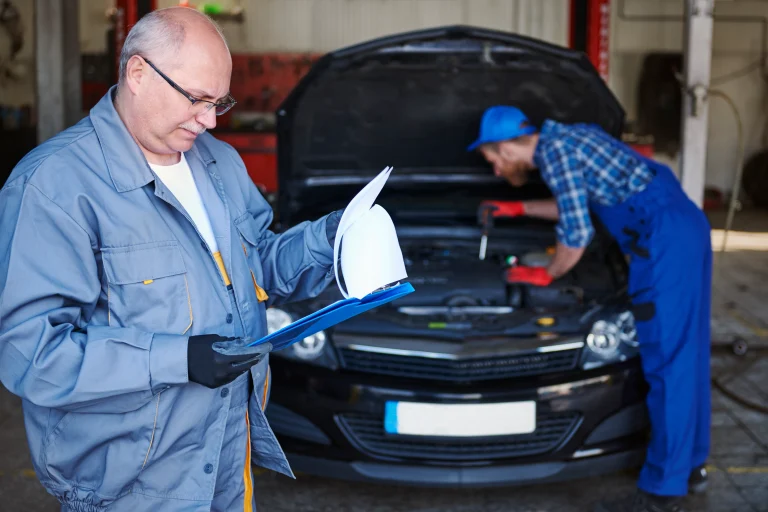
It’s always best for drivers to know what to do in case of an accident, like whether insurance pays for OEM parts after an accident, among other things. File an insurance claim right away before giving the green light for an auto repair and agreeing to the kind of spare parts. Let’s compartmentalize those To-Dos by talking about three basic elements in each of them that must be attended to.
OEM Parts
1. Matching Factory Specifications
Off-brand or mismatched components may fit physically but could fail safety requirements. Drivers should insist on identical specs for replacement parts to ensure performance and reliability. Demand Original Equipment Manufacturer or equivalent components.
2. OEM vs. Aftermarket Parts
The distinction between OEM and aftermarket parts should be understood by drivers. OEM parts come from the vehicle's maker, and they ensure perfect performance. On the other hand, the cheaper aftermarket options made by other companies could compromise safety and warranty coverage.
3. Why OEM Parts Matter
OEM parts are components from the makers themselves that meet the vehicle’s original standards. Drivers must be aware that proper repair which guarantees safety only come from Original Equipment Manufacturer products. They come with the maker’s warranty too.
Collision Repair
1. Get a Proper Inspection Done
Drivers should have a thorough examination conducted on their damaged vehicles prior to repairs being done. This way, certified technicians with diagnostic tools can detect unseen damage like bent frames and electrical faults. Skipping this step may cause incomplete repairs and future failures.
2. Choose the Best Repair Shop
Bring your damaged vehicle to a first-rate repair shop after a collision. The place must have certified specialists, proper equipment, and positive reviews. Such a shop gives detailed estimates and communicates what needs to be done clearly. How to choose a collision repair shop after an insurance claim is done that way.
3. Check Vehicle After Restoration
Once repairs are done, the driver must first drive the vehicle before giving it a thumbs up. Cruise at various speeds and check the brakes. Make sure the steering alignment is fine and listen for unusual noises. Inspect the paint job and panel gaps. Check all the lights as well. If anything’s wrong, speak up.
Insurance Claims
1. Understand Your Coverage
Drivers must fully understand what their insurance covers in case of an accident. Know the deductibles, the limits, reimbursements, and OEM parts provision. Some policies only cover aftermarket parts. Before anything happens, request OEM coverage.
2. Work With the Insurance Adjuster
After an accident, deal with the insurance adjuster carefully. Provide only factual information and never admit fault. Keep records of all conversations, emails, and offers. You must be able to choose a repair shop of your liking and request OEM parts. Don't just accept a quick settlement.
3. Your Right to Choose Repair Parts
In a nutshell, you may request OEM parts, even if your insurer prefers aftermarket options. Owners of vehicles are entitled to inquire about the types of parts used in repairs. Inspect the parts for replacement. Shops and insurers need your approval before deciding on what can be used.
From Setback to Comeback
Does insurance pay for OEM parts after an accident, and have whatever other obligations we can rely on for it to cover been more or less addressed? Just remember that navigating the terrain isn’t overwhelming at all. The key is knowing your policy and what its commitments are. Make sure you get your vehicle back in near-mint condition. Justice Automotive & Collision Centers ensures that. Call us at 630-514-8480.
