
Sharing is caring!
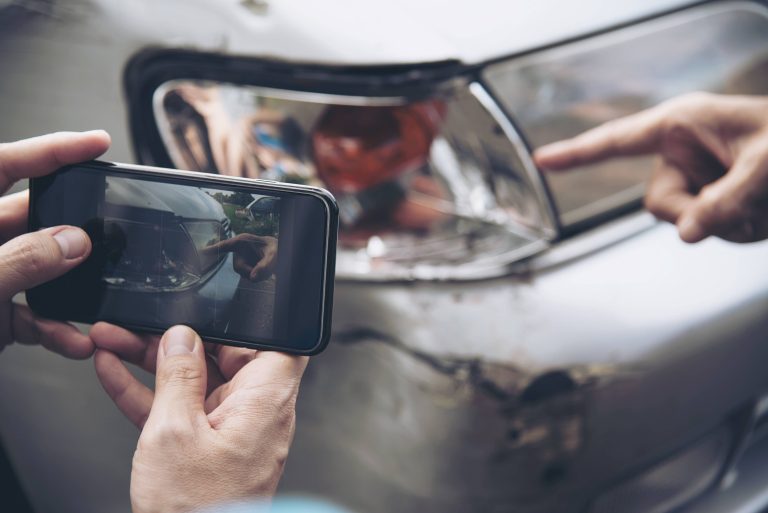
Aside from addressing visible damage on a vehicle after an accident, total restoration must be guaranteed. This involves processes to complete the job. Nowadays, modern car shops are able to do this with precise measurement of a car’s frame, precise paint matching, and recalibration of its computer system. Let’s talk about how collision repair restores vehicle safety and maintains its resale value.
1. Choose a Reliable Repair Shop
A reputable service center for fixing collision-damaged cars is required to bring back the safety and value of a vehicle. That would be a shop staffed by qualified technicians and using OEM parts for replacements. It must be able to do everything that’s needed to ensure the sedan, SUV, or what-have-you regains its original condition.
2. Assess the Damage
A complete evaluation of the damage in a collision is necessary before any repair or restoration of the car can start. Added to checking on dents and scratches, technicians will have to examine for misalignment and frame integrity. There’s also the need to look for mechanical and electrical damage with the use of specialized tools. This ensures that nothing is missed, and it also makes for an accurate cost estimate.
3. Reinstate Structural Integrity
Restoring the frame or unibody of a vehicle so that it meets original safety standards is another critical part of the repair process. The garage pros, with the use of computerized measuring systems, pull or push a car’s frame and bring it back to its factory dimensions down to the millimeter.
4. Repair or Replace Damaged Systems
Fixing a damaged car involves more than just cosmetic solutions. Crumpled sensors, seatbelt pretensioners, and other compromised parts are also replaced. Driver-assistance systems like cameras also have to undergo inspection and be recalibrated or replaced. All safety features are restored to their fully functional state and synchronized by a certified collision repair center technician.
5. Restore to Original Appearance
Once the structural, mechanical, and electrical issues in a car, van, or SUV have been taken care of, it’s time for the shop to focus on bringing it back to how it looked before the crash. The paint has to be precisely mixed to match the original factory color and meticulously polished to restore the finish it once had.
6. Fix Alignment and Suspension Issues
Other concerns to be addressed after an accident are to measure and modify camber, caster, and toe angles to factory specs. Additionally, car repair experts examine and may even change parts like tie rods, struts, and control arms. All of this stuff that deals with proper wheel alignment and suspension repair ensures the tires get used up evenly, and the steering responds well.
7. Maintain the Resale Value
Professional repair of a smashed-up car is what will protect it from depreciation. Get it worked on by a certified repair facility. Also, insist on Original Equipment Manufacturer parts for replacements. Finally, document the entire restoration for a potential buyer of one’s vehicle to see that detailed care has been taken to fix it.
From Wreck to Restoration
That’s how collision repair restores vehicle safety among many other things. Get the experts from a licensed shop to do it, and all the needed tasks for a comprehensive restoration will follow. A damaged car must be brought back to factory standards. This protects the motorist and the passengers. If you require this kind of service and you live in Naperville, IL, call Justice Automotive & Collision Centers at 630-514-8480.
