
Sharing is caring!
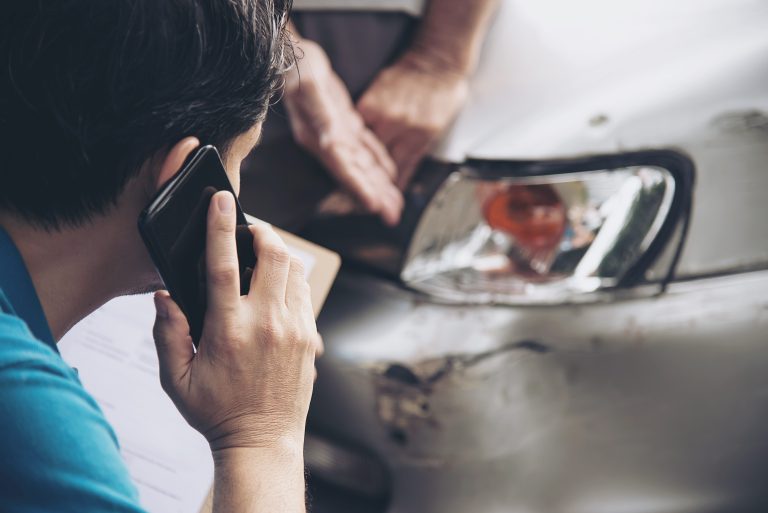
Auto accidents can be stressful, inconvenient, and expensive—but understanding the types of collision repair services available can help you make smarter decisions when it’s time to restore your vehicle. Whether you’ve experienced a minor fender bender or more extensive damage, knowing what repair processes are involved—and why they matter—gives you confidence as you work with professionals to get back on the road safely and quickly.
Below, we break down the five most frequent collision repair types drivers encounter, what they involve, and why timely, proper repair is essential for vehicle safety and resale value.
1. Panel Replacement and Repair
One of the most common results of a collision is damage to body panels like doors, quarter panels, or hoods. Panel repair typically involves fixing dents, realigning metal, and restoring the original shape. When the damage is too severe, technicians may replace the panel entirely before repainting it to match your vehicle’s finish. This type of repair not only improves appearance but also restores structural protection in impact areas.
2. Bumper Repair and Replacement
Bumpers are designed to absorb impact forces, so it’s no surprise they’re often damaged in collisions. Bumper repairs might include straightening bent metal, filling cracks, or replacing the entire unit. Even minor bumper damage can affect your car’s safety features, like sensors and impact protection materials, so addressing this promptly is crucial.
3. Paint Refinishing and Color Matching
After structural or panel repairs, repainting is usually necessary to blend the repaired area with the rest of your vehicle. Modern collision centers use computerized color matching and high-quality paint systems to ensure seamless results. Proper paint refinishing not only protects against rust and corrosion but also preserves your car’s overall look and resale value.
4. Frame Straightening and Structural Repair
More serious accidents can bend or twist a vehicle’s frame, compromising safety and drivability. Frame straightening uses specialized hydraulic equipment and precision measurements to restore the vehicle’s structural integrity. A properly aligned frame is essential for issues like even tire wear, steering responsiveness, and overall crash safety performance.
5. Glass Repair and Replacement
Cracks and chips in your windshield or windows might seem cosmetic at first, but they can weaken the glass and limit visibility. Small chips can often be repaired, but larger breaks or cracks near the edge usually require full glass replacement. Maintaining clear, intact glass is crucial for driver visibility and airbag support in many vehicles.
Why Timely Collision Repair Matters
Prompt auto collision repair goes beyond looks—it affects safety, performance, and long-term costs. Ignoring damage can lead to:
- Rust and corrosion on exposed metal
- Alignment issues and uneven tire wear
- Reduced protection in future accidents
- Lower resale or trade-in value
Choosing a reputable collision repair facility ensures technicians follow manufacturer repair standards and use quality parts and materials. Skilled professionals also check for hidden damage that may not be obvious at first glance, preventing future issues down the road. Proper collision repair helps restore your vehicle’s structural integrity and keeps you and your passengers safe on the road.
If you’re looking for expert guidance and high-quality types of collision repair services you can trust after an accident, contact Justice Collision Repair. Our experienced team delivers professional repairs with attention to detail and customer satisfaction—call us at (630) 514-8480 or email justicecollisionshop@gmail.com to schedule your appointment and get your vehicle back to peak condition
